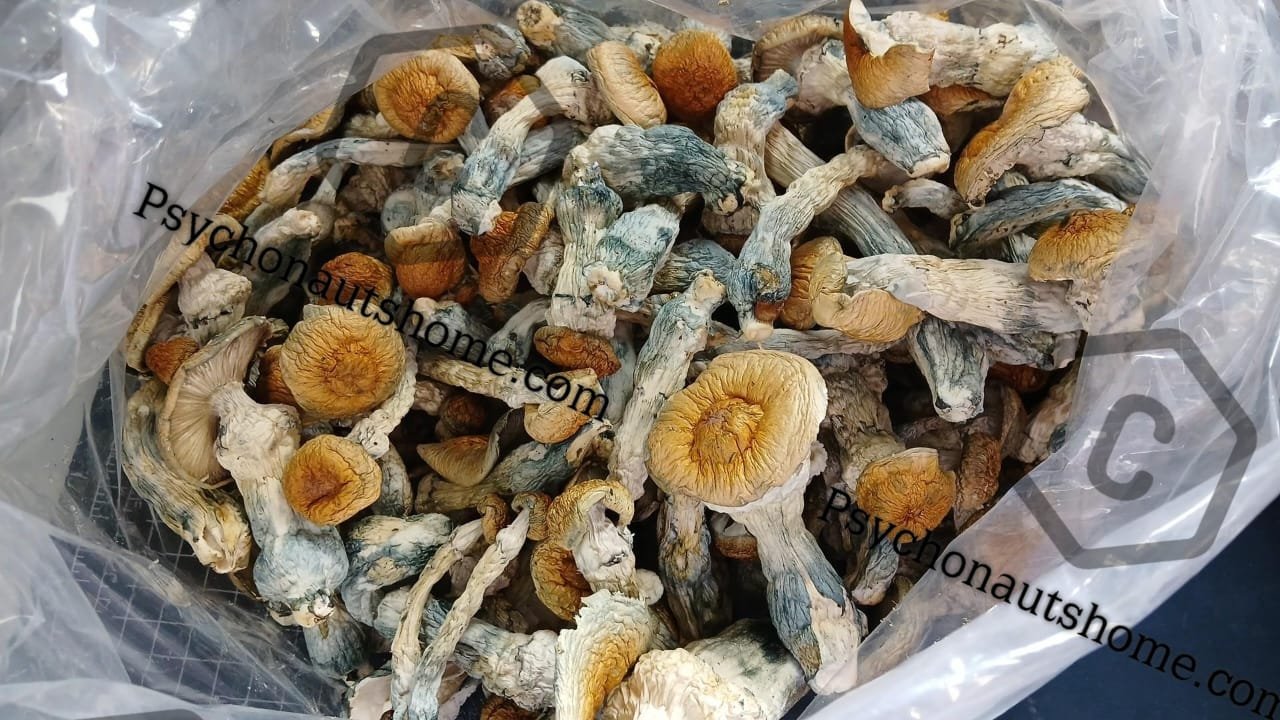
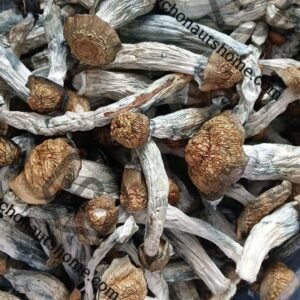
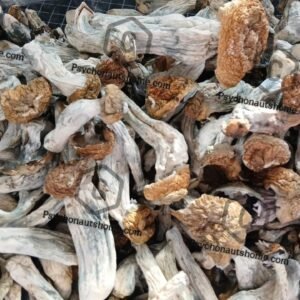
Iceberg Mushroom – Brief insights
Psilocybin, the active compound in Iceberg Mushroom (magic mushrooms), was traditionally used in rituals by indigenous groups in Mexico, like the Aztecs and Mazatecs. It was “rediscovered” for the West in the 1950s through R. Gordon Wasson’s writings, then isolated in 1958 by Albert Hofmann, the same chemist who discovered LSD.
It’s now being studied for therapy, mainly for treatment-resistant depression, anxiety, and addiction. In clinical settings, patients get a controlled dose in a comfortable room with therapists present, often wearing an eye mask, listening to music, and focusing inward for 6 to 8 hours. Prep sessions build trust beforehand, and integration talks afterward help process the experience.
Advantages of Iceberg Mushroom:
Single doses can give rapid, lasting relief from depression—sometimes weeks or months—with low addiction risk and potential to boost neuroplasticity and emotional openness.
Disadvantages of Iceberg Mushroom:
It can cause nausea, increased heart rate, anxiety, or bad trips with paranoia. Not safe for people with psychosis risk or certain heart issues, and effects are unpredictable without proper support.
It’s still mostly experimental, though approved in places like Australia for specific cases, with big trials ongoing.
| QUANTITY | Oz, 4Oz, 8Oz, 16Oz |
|---|
Be the first to review “Iceberg Mushroom”
Related products
MUSHROOM
MUSHROOM
MUSHROOM
MUSHROOM
MUSHROOM
MUSHROOM
Reviews
There are no reviews yet.