Anesket : What Is It, Uses, Effects, and Important Considerations
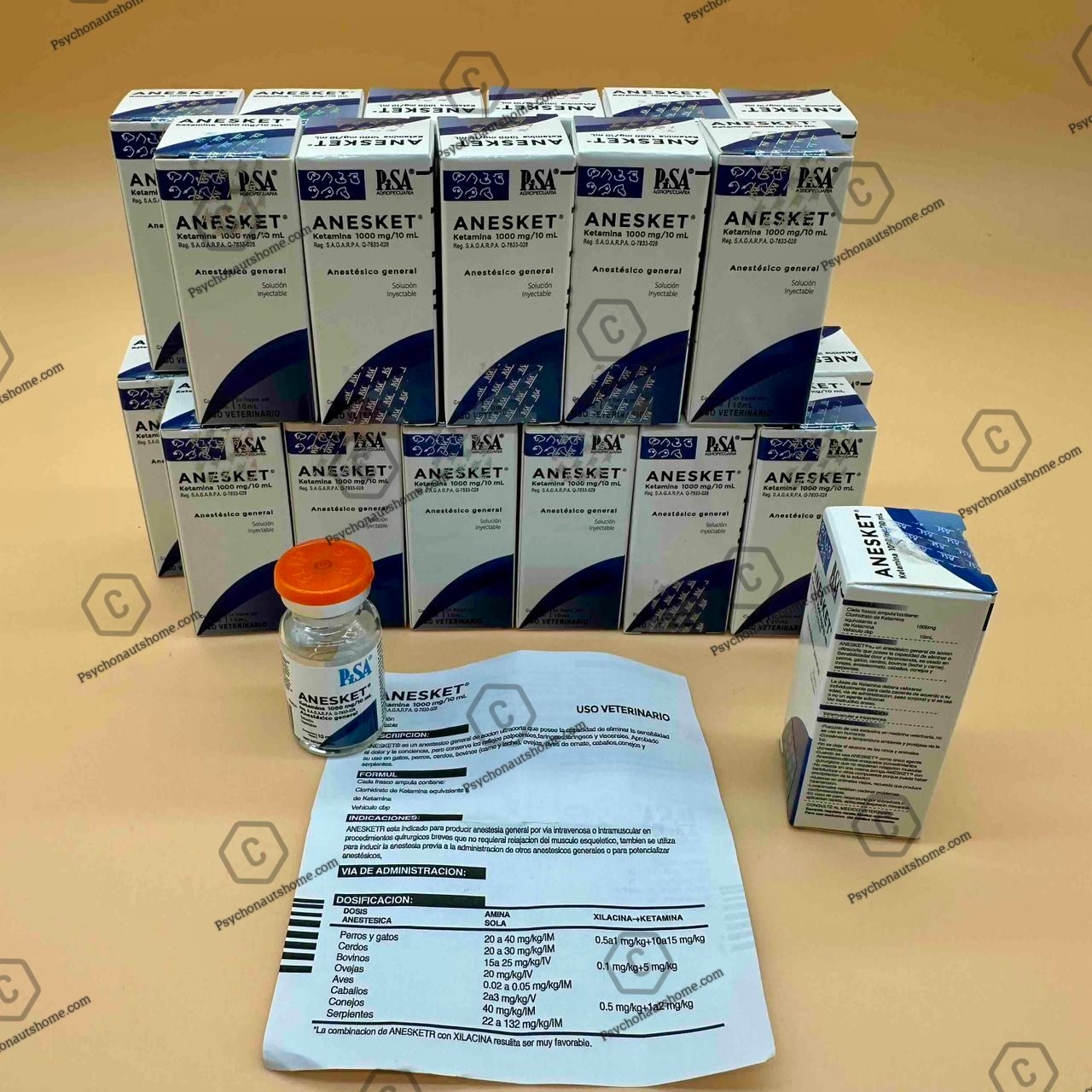
Anesket (also commonly spelled Aneket) is a brand name for ketamine hydrochloride injection, a widely used general anesthetic medication. It belongs to the class of dissociative anesthetics and has been a staple in medical settings for decades due to its unique properties that allow patients to undergo procedures with reduced pain and awareness while maintaining certain vital functions.
In this blog post, we’ll cover everything you need to know about Anesket—from its medical applications to how it works, potential side effects, and key safety information.
What Is Anesket?
Anesket contains racemic ketamine, a mixture of two mirror-image molecules (S-ketamine and R-ketamine). It is typically supplied in vials, such as 500mg/10ml, 1000mg/10ml, or smaller concentrations like 50mg/ml or 250mg/5ml, for intravenous (IV) or intramuscular (IM) administration.
Unlike many other anesthetics, ketamine does not significantly depress breathing or blood pressure at typical doses, making it particularly valuable in emergency, trauma, and pediatric settings where maintaining cardiovascular stability is critical.
Primary Medical Uses
-General Anesthesia: Used alone or in combination with other agents for diagnostic and surgical procedures. It induces a dissociative state where patients feel detached from their body and surroundings.
– Procedural Sedation: Ideal for short procedures like fracture reduction, wound repair, or dental work, especially in uncooperative patients or children.
How Does Anesket Work?
Anesket acts primarily as an NMDA receptor antagonist. By blocking these receptors in the brain, it interrupts pain signals and produces a dissociative anesthetic effect. It also influences other neurotransmitter systems, contributing to its analgesic (pain-relieving) and potential antidepressant properties.
Onset and Duration:
– IV administration: Effects begin almost immediately (within seconds) and last 5–10 minutes for a single bolus, with full recovery often within 1–2 hours.
– IM administration: Slightly slower onset (3–5 minutes).
Common Side Effects and Risks
While effective, Anesket can cause notable side effects:
– Emergence Reactions: Vivid dreams, hallucinations, confusion, or agitation during recovery (more common in adults).
– Cardiovascular: Temporary increase in heart rate and blood pressure.
– Other: Nausea, vomiting, dizziness, double vision, increased saliva production, or involuntary movements.
Patients are usually monitored closely in a clinical setting. Benzodiazepines are sometimes given beforehand to reduce emergence phenomena.
Long-term Concerns: Repeated or recreational use can lead to tolerance, dependence, bladder issues (ketamine cystitis), cognitive effects, or other complications.
Important Safety Notes
-Controlled Substance: Ketamine is a Schedule III controlled substance in many countries due to its potential for misuse and dissociative/hallucinogenic effects.
-Contraindications: Not suitable for everyone—avoid in cases of uncontrolled hypertension, certain heart conditions, history of psychosis, or hypersensitivity.
This is for informational purposes only and is not medical advice. Anesket should only be used under the direct supervision of a qualified anesthesiologist or physician. If you have questions about anesthesia options, depression treatments, or ketamine therapy, consult a licensed healthcare provider.
Have you encountered Anesket in a medical setting, or are you curious about ketamine-based treatments? Share your thoughts responsibly in the comments.Anesket, Aneket injection, ketamine hydrochloride, general anesthetic, ketamine uses, ketamine side effects
| BOTTLES | 1, 3, 5, 10, 25 |
|---|
Be the first to review “Anesket”
Related products
KETAMINE
Reviews
There are no reviews yet.