Thc
Oral Swab
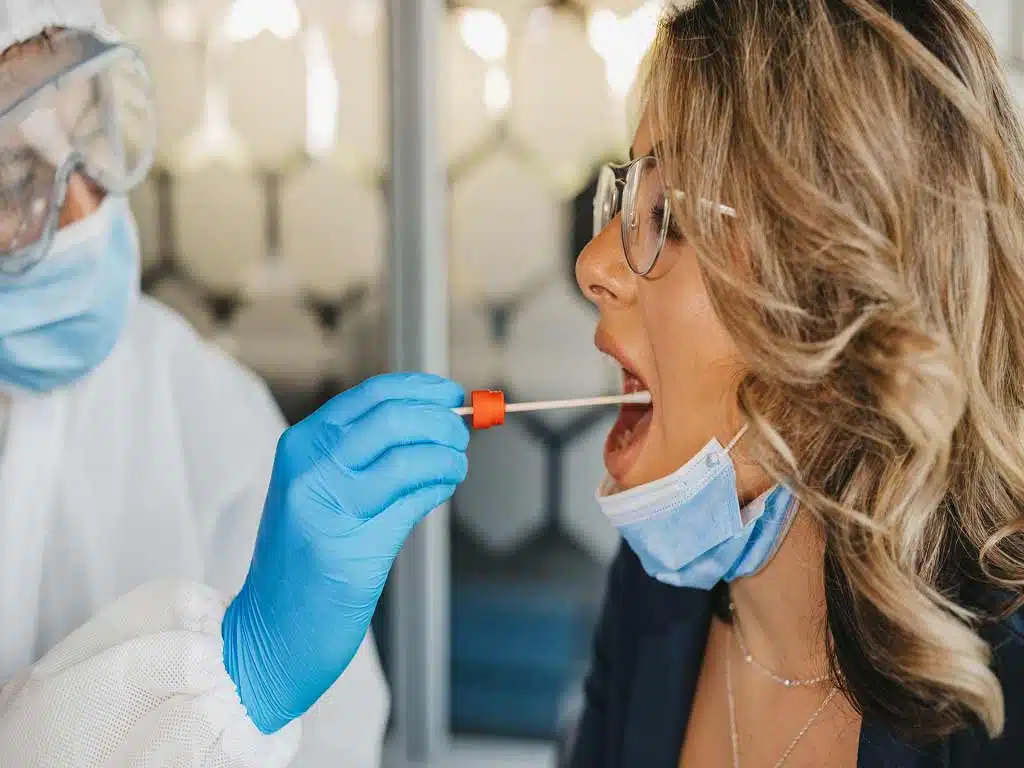
Table of Contents
The No-Panic Guide: How to Pass a Mouth Swab Test for THC Successfully
If you just found out you have a surprise saliva drug test coming up, your stomach probably just did a backflip. We get it. The panic is real, especially when your job, your future, or your medical standing is on the line. But here is the good news: out of all the ways employers check for cannabis, a saliva test is by far the easiest one to handle.
Unlike a urine test—which looks for the lingering metabolites your body has processed over weeks—a mouth swab is looking for something entirely different. Once you understand the basic science of how cannabis interacts with your mouth, learning how to pass a mouth swab test for THC becomes incredibly straightforward.
Let’s skip the myths, trash the sketchy internet products that don’t work, and walk through the exact steps you need to take to clear this test with confidence.
The Core Science: How Do Mouth Swab Tests Actually Work?
Before you start chugging random household liquids, you need to understand exactly what the lab is analyzing.
When you smoke an actual joint, vape, or eat a THC-infused edible, active Delta-9-THC coats the inside of your mouth (gums, tongue, and cheeks). Mouth swab tests do not look for the THC inside your bloodstream or your fat cells; they are simply testing for the physical residue left behind in your oral cavity
Because the test is looking for topical residue rather than deep-tissue metabolites, the detection window for oral fluid is incredibly short compared to other testing methods.
The Realistic Detection Windows
How long does weed stay in your saliva? It depends heavily on how often you partake:
- Infrequent/Casual Users: If you only smoke once or twice a week, THC is typically undetectable in your saliva within 24 to 48 hours.
- Heavy/Chronic Users: If you are a daily consumer, THC can cling to oral tissues a bit longer. However, even for frequent smokers, the maximum reliable window for a positive result rarely exceeds 72 hours, though extreme historical cases have shown up to several days for severe chronic intake.
Step-by-Step: How to Pass a Mouth Swab Test for THC
If you have a test scheduled or think a random screen is imminent, you need an aggressive, proactive oral hygiene routine. Your goal is simple: physically remove, dilute, and neutralize any residual THC molecules clinging to your oral cavity.
1. Execute an Aggressive Oral Hygiene Routine Do not just brush your teeth like normal. You need to treat your mouth like a crime scene that needs deep cleaning.
- Brush Everything: Brush your teeth, gums, the roof of your mouth, and your inner cheeks at least 3 to 4 times a day leading up to the test.
- Focus heavily on your tongue: THC traps itself in the tiny papillae (bumps) on your tongue. Use a dedicated tongue scraper or the bristles of your brush to scrub it thoroughly.
- Floss consistently: Dislodge any trapped particles or food debris where oral fluids stagnate.
2. Rinse Vigorously and Frequently Clinical data shows that simple fluid mechanical action significantly lowers the concentration of THC in oral fluids.
- The Water Method: Drink water continuously and swish it aggressively around your cheeks before spitting or swallowing. Constant fluid turnover forces your salivary glands to produce fresh, clean saliva, diluting any lingering residue (Drummer, n.d.).
- High-Fat Liquids: THC is fat-soluble, meaning it binds to lipids. Rinsing your mouth with whole milk or eating a high-fat food shortly before your window can help draw the localized THC away from your oral tissues.
3. Use an Oxidizing Mouthwash If your test is happening within the next 24 hours, over-the-counter or specialized mouthwashes are your best line of defense.
- Hydrogen Peroxide: An old-school, reliable trick. Rinsing with a standard 3% hydrogen peroxide solution (diluted 50/50 with water so you don’t irritate your gums) acts as an oxidizing agent that temporarily alters oral fluid chemistry. Do this a few times the night before, and one final time roughly 15 to 30 minutes before your test. Do not swallow it.
- Specialty Detox Rinses: There are commercial “toxin-cleansing” mouthwashes designed specifically for drug screens. Most rely on a heavy concentration of hydrogen peroxide or specific astringents to strip the mouth of impurities temporarily.
4. Stimulate Fresh Saliva Production The saliva naturally pooling in your mouth right now is what holds the highest risk of containing THC. You want to dump that old saliva and force your body to generate a fresh batch.
- Chew sour citrus candies or sugar-free gum in the hours leading up to the swab.
- The sour profile triggers your salivary glands to produce an immediate influx of clean oral fluid, naturally diluting the sample concentration.
What to Do During the Test
When the collector hands you the testing device, your physical placement of the swab can play a small role in the outcome.
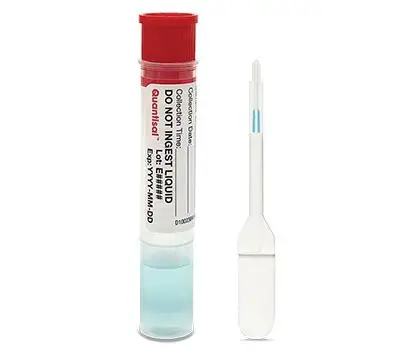
Most workplace tests use an absorptive collection pad on a plastic wand (like the OralTox or Intercept devices) that must sit in your mouth until an indicator changes color.
- Avoid Direct Tissue Contact: If the test is self-administered or poorly supervised, try to keep the sponge pad centered on your teeth or in mid-air within your oral cavity rather than letting it rest directly against your lower gums or under your tongue, where THC concentrations are dense.
- Do Not Bite Down: Let the sponge naturally soak up the fluid volume needed without actively squeezing it against your inner cheeks.
3 Popular Internet Myths (That Don’t Work)
When searching for how to pass a mouth swab test for THC, you will run into a lot of bad advice. Let’s set the record straight on what to avoid:
🚫 Myth 1: Eating Vinegar or Bleach. The Reality: Drinking or rinsing with these hazardous liquids will severely burn your oral tissues, destroy your tooth enamel, and can lead to hospitalization. They do not mask THC in saliva and are incredibly dangerous.
🚫 Myth 2: Relying on Goldenseal or Herbal Supplements. The Reality: While some traditional herbs are touted as systematic flushers, they have zero immediate chemical impact on the topical THC molecules physically stuck inside your cheeks.
🚫 Myth 3: The “Peppermint Secret.” The Reality: Strong mints only mask the smell of weed. They do absolutely nothing to alter the chemical immunoassay screening process used by modern testing labs (No, n.d.).
The Ultimate Checklist: Summary Plan
If you have a surprise swab test coming up, here is your quick timeline strategy:
| 24-48 Hours Out | Cease all cannabis consumption immediately. Brush your teeth, tongue, and cheeks 4x per day. Hydrate constantly to flush and cycle new oral fluids. |
| 1-2 Hours Out | Do a final, vigorous wash with a hydrogen peroxide rinse. Pop a piece of sour citrus gum to trigger clean saliva |
| Test Time | Keep calm, avoid rubbing the swab directly against your inner gums, and let the fresh, diluted fluid handle the rest. |
The Bottom Line
At the end of the day, time and aggressive physical hygiene are your absolute best friends. Because saliva testing has such a narrow window of detection compared to urine or hair samples, missing a window of consumption by just a few days—combined with the active steps outlined above—gives you an incredibly strong chance of seeing a negative result.
Take a deep breath, grab your toothbrush, start rinsing, and keep your cool. You’ve got this.
Other key points worth noting
How to pass a swab mouth test for THC
How to pass a swab mouth test for THC is a common search among cannabis users facing workplace or legal screenings. These saliva tests are designed to detect recent THC use, typically within 24–48 hours. Unlike urine or hair tests, they don’t reveal long‑term consumption but are highly effective at catching immediate intake. The most reliable way to ensure a negative result is abstaining before the test. Quick, non‑invasive, and widely used, swab tests emphasize short‑term detection over chronic history.
How to pass a oral mouth swab test for THC
How to pass a oral mouth swab test for THC highlights the growing popularity of saliva testing. Oral swabs are simple, fast, and often used by employers or law enforcement. They detect THC molecules present in saliva shortly after use, making them effective within the first day. Unlike blood or urine tests, they don’t require invasive procedures. The only dependable strategy is avoiding cannabis before testing. Understanding detection windows helps individuals prepare responsibly for screenings in professional or legal contexts.
How to pass a mouth swab test for THC Reddit
How to pass a mouth swab test for THC Reddit reflects the abundance of online discussions and “hacks” shared by users. Forums often suggest rinses, gums, or other tricks, but scientific evidence consistently shows these methods are unreliable. Saliva tests are specifically designed to catch recent THC use, and abstinence remains the only proven approach. While Reddit communities provide anecdotal advice, relying on unverified tips can be risky. Responsible preparation means understanding how saliva tests work rather than chasing myths.
How to pass a mouth swab test for THC
How to pass a mouth swab test for THC is a phrase that underscores the anxiety many feel before screenings. These tests focus on saliva samples, detecting THC within hours of consumption. They are less effective at identifying long‑term or past use compared to urine or hair tests. Employers and authorities favor them for speed and convenience. The most effective preparation is abstaining from cannabis use before the test. Knowledge of detection windows helps reduce uncertainty and improve readiness.
How to pass a mouth swab test for job THC
How to pass a mouth swab test for job THC emphasizes workplace drug testing practices. Employers often use saliva tests because they’re quick, cost‑effective, and reveal recent cannabis use. For job seekers, understanding detection windows is crucial. THC can be identified within 24–48 hours, meaning abstinence before interviews or screenings is the safest strategy. Attempting shortcuts or tricks risks failure and potential career consequences. Responsible preparation ensures compliance with workplace policies and protects professional opportunities in competitive environments.
How to pass a mouth swab drug test for THC
How to pass a mouth swab drug test for THC highlights the simplicity and effectiveness of saliva testing. These tests are favored for their speed, non‑invasive nature, and ability to detect recent THC intake. Unlike urine or hair tests, they don’t reveal long‑term use, but they are excellent at catching immediate consumption. The most reliable prevention strategy is abstaining from cannabis before testing. Understanding how these tests function helps individuals prepare responsibly, whether for employment, legal compliance, or other screenings.
How to pass oral swab same day
How to pass oral swab same day is a phrase often searched by individuals facing workplace or roadside screenings. Oral swab drug tests are designed to detect very recent use, typically within 24–48 hours. Because they measure active substances in saliva, quick tricks or home remedies are unreliable. The only dependable way to prepare is abstaining before the test. Understanding detection windows and how saliva testing works helps reduce anxiety and ensures compliance with workplace or legal requirements.
Oral swab drug test
Oral swab drug test refers to a saliva‑based screening method widely used by employers, law enforcement, and healthcare providers. It’s quick, non‑invasive, and effective at detecting recent drug use. THC, cocaine, opioids, and amphetamines can all be identified within hours of consumption. Unlike urine or hair tests, oral swabs focus on short‑term detection rather than long‑term history. Their convenience and accuracy make them a preferred choice for immediate results, especially in workplace safety programs and roadside checks.
How to pass oral swab test for drugs
How to pass oral swab test for drugs highlights the concern many people feel before screenings. These tests are designed to catch recent use, often within one to two days. Online forums may suggest rinses or gums, but scientific evidence shows abstinence is the only reliable method. Employers and authorities use oral swabs because they’re fast and accurate. Preparing responsibly means understanding detection windows and avoiding substances before testing, rather than relying on unproven tricks that risk failure.
How to beat oral swab drug test
How to beat oral swab drug test is a common search, but the reality is that saliva tests are specifically designed to detect recent drug use. Tricks like mouthwash or candy are unreliable and often ineffective. Oral swabs measure active substances in saliva, making abstinence the only proven strategy. Employers and law enforcement prefer these tests for their speed and accuracy. Responsible preparation means avoiding substances before testing and understanding how detection windows work, rather than chasing myths.
Oral swabs
Oral swabs are versatile tools used in both healthcare and drug testing. In medical settings, they collect saliva for diagnostic purposes, such as infection screening or genetic analysis. In workplace or legal contexts, oral swabs are used to detect recent drug use. They’re simple, non‑invasive, and provide quick results. Their convenience makes them popular for roadside checks and employment screenings. Beyond testing, oral swabs are also used for oral care, helping patients maintain hygiene when brushing isn’t possible.
Oral swab
Oral swab refers to a device designed to collect saliva samples quickly and comfortably. In drug testing, oral swabs detect substances like THC, cocaine, and opioids within hours of use. They’re favored for their simplicity, requiring no invasive procedures or private facilities. In healthcare, oral swabs are used for diagnostic testing and oral hygiene. Their versatility makes them essential in both medical and workplace environments. Understanding how oral swabs function helps individuals prepare responsibly for screenings.
How to pass an oral swab drug test
How to pass an oral swab drug test is a phrase that reflects widespread concern about workplace or legal screenings. Oral swabs detect recent drug use, usually within 24–48 hours. Unlike urine or hair tests, they don’t reveal long‑term history but are highly effective at catching immediate consumption. Online “hacks” are unreliable, and abstinence remains the only proven method. Employers and authorities prefer oral swabs for their speed and accuracy, making responsible preparation essential for compliance.
Oral swab drug test how to pass
Oral swab drug test how to pass is a query often fueled by anxiety before screenings. Saliva tests are designed to detect recent drug use, making abstinence the only dependable strategy. Tricks like rinses or gums lack scientific support and risk failure. Employers and law enforcement use oral swabs because they’re quick, accurate, and non‑invasive. Understanding detection windows and how these tests work helps individuals prepare responsibly, ensuring compliance with workplace policies or legal requirements.
How to pass oral swab
How to pass oral swab underscores the popularity of saliva testing in workplaces and roadside checks. These tests detect recent drug use within 24–48 hours, focusing on short‑term exposure. Online suggestions for beating the test are unreliable, and abstinence remains the only proven method. Employers prefer oral swabs for their convenience and accuracy. Preparing responsibly means avoiding substances before testing and understanding detection windows, rather than relying on myths that risk career or legal consequences.
How to pass oral swab drug test
How to pass oral swab drug test emphasizes the importance of preparation before screenings. Oral swabs detect recent drug use, typically within one to two days. Unlike urine or hair tests, they don’t reveal long‑term history but are highly effective at catching immediate consumption. Tricks shared online are unreliable, and abstinence remains the only proven strategy. Employers and law enforcement favor oral swabs for their speed and accuracy, making responsible preparation essential for compliance and peace of mind.
How to pass oral swab test
How to pass oral swab test reflects workplace and legal concerns about drug screenings. Oral swabs are quick, non‑invasive, and effective at detecting recent use. THC and other substances can be identified within hours of consumption. Online “hacks” are unreliable, and abstinence is the only proven method. Employers and authorities prefer oral swabs for their convenience and accuracy. Understanding detection windows helps individuals prepare responsibly, ensuring compliance with workplace policies or legal requirements.
Oral swab drug tests
Oral swab drug tests are widely used for workplace, roadside, and legal screenings. They detect recent drug use within 24–48 hours, focusing on short‑term exposure. Unlike urine or hair tests, they don’t reveal long‑term history but are highly effective at catching immediate consumption. Employers and law enforcement prefer them for their speed, accuracy, and non‑invasive nature. Understanding how oral swab drug tests work helps individuals prepare responsibly and reduces anxiety before screenings.
How to pass a oral swab drug screen
How to pass a oral swab drug screen is a phrase often searched by individuals facing workplace or probation checks. Oral swab drug screens are designed to detect recent use, typically within 24–48 hours. They’re quick, non‑invasive, and favored for immediate results. Online tricks like rinses or gums are unreliable, and abstinence remains the only proven method. Employers and authorities use these tests because they’re accurate and convenient, making responsible preparation essential for compliance and peace of mind.
Oral swab test for THC
Oral swab test for THC is one of the most common screenings used by employers and law enforcement. These tests detect cannabis use within hours, usually up to two days. Unlike urine or hair tests, oral swabs focus on short‑term detection rather than long‑term history. Their speed and simplicity make them ideal for roadside checks and workplace safety programs. Understanding detection windows helps individuals prepare responsibly, ensuring compliance with policies and reducing anxiety before testing situations.
How to beat an oral swab drug test
How to beat an oral swab drug test is a popular search, but scientific evidence shows that tricks like mouthwash or candy are unreliable. Oral swabs are specifically designed to detect recent drug use, making abstinence the only dependable strategy. Employers and law enforcement prefer these tests for their speed, accuracy, and non‑invasive nature. Preparing responsibly means avoiding substances before testing and understanding detection windows, rather than relying on myths that risk career or legal consequences.
Oral mouth swab drug test
Oral mouth swab drug test refers to a saliva‑based screening method that detects recent drug use. THC, cocaine, opioids, and amphetamines can all be identified within hours of consumption. These tests are quick, simple, and widely used by employers and law enforcement. Unlike urine or hair tests, they don’t reveal long‑term history but are highly effective at catching immediate use. Their convenience and accuracy make them a preferred choice for workplace and roadside screenings.
How to beat a oral swab test
How to beat a oral swab test reflects the anxiety many feel before screenings. Oral swabs detect recent drug use within 24–48 hours, focusing on short‑term exposure. Online “hacks” are unreliable, and abstinence remains the only proven method. Employers and authorities favor oral swabs for their convenience and accuracy. Preparing responsibly means avoiding substances before testing and understanding detection windows, rather than chasing myths that risk failure and potential career or legal consequences.
How to pass an oral swab drug screen
How to pass an oral swab drug screen emphasizes the importance of preparation before workplace or legal screenings. Oral swabs detect recent drug use, usually within one to two days. Unlike urine or hair tests, they don’t reveal long‑term history but are highly effective at catching immediate consumption. Tricks shared online are unreliable, and abstinence remains the only proven strategy. Employers and law enforcement prefer oral swabs for their speed and accuracy, making responsible preparation essential.
How to pass oral swab THC
How to pass oral swab THC is a phrase highlighting cannabis detection concerns. Oral swabs are designed to catch THC use within 24–48 hours, sometimes longer for heavy users. Online suggestions for beating the test are unreliable, and abstinence remains the only proven method. Employers and law enforcement favor oral swabs for their speed, accuracy, and non‑invasive nature. Understanding detection windows helps individuals prepare responsibly, ensuring compliance with workplace policies or legal requirements.
Oral swab drug test detection times
Oral swab drug test detection times vary depending on the substance. THC is usually detectable for 24–48 hours, while other drugs may have slightly different windows. Heavy or chronic use can extend detection. Employers and law enforcement use oral swabs because they’re quick, accurate, and non‑invasive. Understanding detection times helps individuals prepare responsibly, reducing anxiety before screenings and ensuring compliance with workplace or legal requirements.
Pass a oral swab test
Pass a oral swab test is a common search among individuals facing workplace or roadside screenings. Oral swabs detect recent drug use within 24–48 hours, focusing on short‑term exposure. Online tricks are unreliable, and abstinence remains the only proven method. Employers and authorities prefer oral swabs for their convenience and accuracy. Preparing responsibly means avoiding substances before testing and understanding detection windows, rather than relying on myths that risk career or legal consequences.
THC oral swab test
THC oral swab test is specifically designed to detect cannabis use within hours of consumption. These tests are quick, non‑invasive, and widely used by employers and law enforcement. Unlike urine or hair tests, they don’t reveal long‑term history but are highly effective at catching immediate use. Their convenience and accuracy make them a preferred choice for workplace and roadside screenings. Understanding detection windows helps individuals prepare responsibly and reduces anxiety before testing situations.
How do oral swab drug tests work
How do oral swab drug tests work is a question often asked before screenings. These tests collect saliva samples and analyze them for active substances like THC, cocaine, or opioids. They’re quick, non‑invasive, and effective at detecting recent use. Unlike urine or hair tests, they focus on short‑term detection rather than long‑term history. Employers and law enforcement prefer oral swabs for their speed and accuracy, making them a popular choice for workplace and roadside screenings.
How far back does oral swab drug test go
How far back does oral swab drug test go depends on the substance and frequency of use. THC is usually detectable for 24–48 hours, while heavy use may extend detection. Other drugs may have slightly different windows. Oral swabs are designed for short‑term detection, making them ideal for workplace and roadside screenings. Understanding detection windows helps individuals prepare responsibly, ensuring compliance with workplace policies or legal requirements.
How long can an oral swab detect THC
How long can an oral swab detect THC varies depending on usage. Occasional use is detectable for 24–48 hours, while heavy or chronic use may extend detection up to a week. Oral swabs are designed for short‑term detection, making them ideal for workplace and roadside screenings. Understanding detection windows helps individuals prepare responsibly, ensuring compliance with workplace policies or legal requirements.
Accuracy of oral swab drug test
Accuracy of oral swab drug test is generally high for detecting recent drug use. These tests are quick, non‑invasive, and effective at identifying substances within hours of consumption. False positives are rare but possible, often due to cross‑reactivity with certain medications. Employers and law enforcement prefer oral swabs for their speed and reliability. Understanding accuracy helps individuals prepare responsibly, reducing anxiety before screenings and ensuring compliance with workplace or legal requirements.
Oral swab drug screening test
Oral swab drug screening test is widely used in workplaces and legal settings to detect recent drug use. These screenings are quick, non‑invasive, and effective at identifying substances like THC, cocaine, and opioids within hours of consumption. Unlike urine or hair tests, they focus on short‑term detection rather than long‑term history. Employers and law enforcement prefer oral swab drug screening tests for their speed and accuracy, making them a popular choice for immediate results in safety‑sensitive environments.
Oral swab THC detection window
Oral swab THC detection window typically ranges from 24–48 hours for occasional users, though heavy or chronic use may extend detection up to a week. Oral swabs measure active THC in saliva, making them highly effective at catching recent cannabis use. Employers and law enforcement favor these tests for their speed, accuracy, and non‑invasive nature. Understanding the oral swab THC detection window helps individuals prepare responsibly, ensuring compliance with workplace policies or legal requirements.
False positive oral swab drug test
False positive oral swab drug test is rare but possible. Cross‑reactivity with certain medications or substances can sometimes trigger inaccurate results. While oral swabs are generally reliable, confirmatory testing is often required to rule out false positives. Employers and law enforcement use oral swabs for their convenience and accuracy, but awareness of potential false positives is important. Understanding how these tests work helps individuals prepare responsibly and reduces anxiety before screenings.
How accurate are oral swab drug test
How accurate are oral swab drug test is a common question before screenings. Oral swabs are highly accurate for detecting recent drug use, typically within 24–48 hours. They’re quick, non‑invasive, and widely used by employers and law enforcement. False positives are rare but possible, often due to cross‑reactivity with medications. Overall, oral swabs are considered reliable for short‑term detection, making them a preferred choice for workplace and roadside screenings.
How long does an oral swab drug test go back
How long does an oral swab drug test go back is a question often asked before screenings. Oral swabs typically detect drug use within 24–48 hours, though heavy or chronic use may extend detection. Unlike urine or hair tests, they don’t reveal long‑term history but are highly effective at catching immediate consumption. Employers and law enforcement prefer oral swabs for their speed and accuracy, making them a popular choice for workplace and roadside screenings.
Drug test oral swab
Drug test oral swab refers to a saliva‑based screening method used to detect recent drug use. These tests are quick, non‑invasive, and effective at identifying substances like THC, cocaine, and opioids within hours of consumption. Unlike urine or hair tests, they focus on short‑term detection rather than long‑term history. Employers and law enforcement prefer drug test oral swabs for their convenience and accuracy, making them a popular choice for immediate results.
DOT oral swab drug test
DOT oral swab drug test is used in transportation and safety‑sensitive industries to ensure compliance with federal regulations. These tests detect recent drug use within 24–48 hours, focusing on short‑term exposure. Oral swabs are quick, non‑invasive, and effective at identifying substances like THC, cocaine, and opioids. Employers prefer DOT oral swab drug tests for their speed and accuracy, making them essential for maintaining workplace safety and regulatory compliance.
Life insurance oral swab test
Life insurance oral swab test is used by insurers to assess applicants’ health and lifestyle. These tests detect recent drug use, nicotine, or certain medical conditions. Oral swabs are quick, non‑invasive, and provide immediate results. Insurers prefer them for their convenience and accuracy, helping evaluate risk profiles. Understanding how life insurance oral swab tests work helps applicants prepare responsibly, ensuring transparency and compliance during the application process.
Cotinine oral swab test
Cotinine oral swab test is designed to detect nicotine use by measuring cotinine, a metabolite of nicotine, in saliva. These tests are quick, non‑invasive, and widely used by employers, insurers, and healthcare providers. Cotinine oral swab tests typically detect use within 24–48 hours, making them effective at identifying recent smoking or vaping. Their convenience and accuracy make them a preferred choice for monitoring tobacco use in workplace, insurance, and medical settings.
You might also like How-much-weed-is-a-felony-in-texas

Pingback: The Honest Breakdown of Ketamine Therapy Cost in 2026